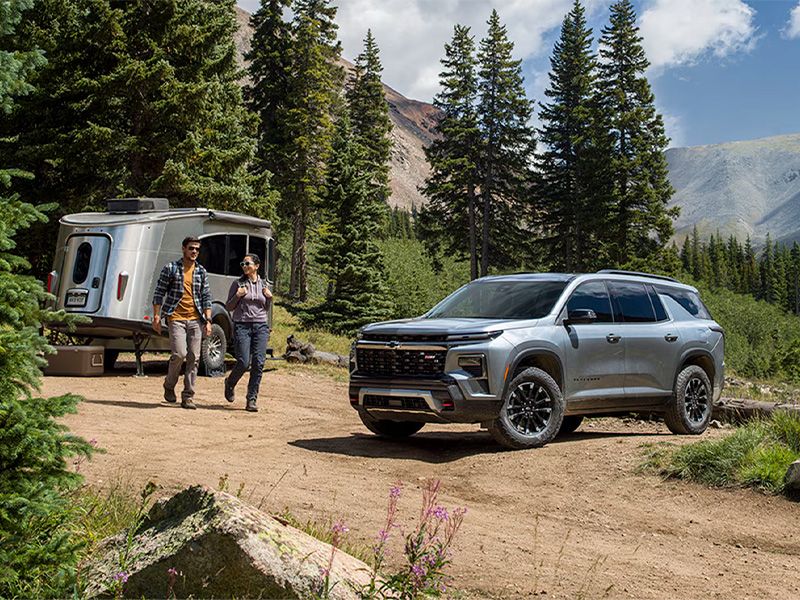
5 Three-Row SUVs Perfect for Towing More Than 3,500 Pounds
A three-row SUV can serve as both a family vehicle and a capable tow vehicle. However, choosing the right configuration is essential because...
Read moreBuying your first new vehicle is an important milestone. However, the number of models, trim levels, options and financing solutions available can make the decision more complicated than it initially appears.
Preparing carefully can help you avoid paying for features you do not need, underestimating ownership costs or choosing a financing agreement that does not suit your situation. Here are five tips to help you approach your first purchase with confidence.
It is easy to begin your search based on styling or an advertised monthly payment. It is better to start by developing a realistic picture of how you will use the vehicle.
Ask yourself a few important questions:
A compact sedan may be economical and enjoyable to drive, but an SUV could be more suitable if you frequently carry equipment or need the convenience of a rear liftgate. Conversely, buying a large SUV for a few occasional trips could lead to unnecessary expenses throughout the year.
Begin by choosing the vehicle category and powertrain that will satisfy most of your transportation needs. You can then consider trim levels, options and colours.
A low monthly payment does not necessarily make a vehicle affordable. The actual cost of ownership includes:
Request an insurance estimate before signing a contract. Two similarly priced vehicles can result in very different premiums.
If you are considering an electric vehicle, remember to include the potential cost of a residential charging station and its installation. For a gasoline-powered SUV, estimate annual fuel expenses based on your actual driving distance.
It is also a good idea to maintain an emergency fund for unexpected expenses, even when the new vehicle is protected by a manufacturer’s warranty.
Paying cash, financing and leasing each serve different objectives.
Financing allows you to own the vehicle once the loan has been repaid. Leasing generally provides lower monthly payments and makes it easier to change vehicles more frequently, but it normally includes mileage limits and conditions regarding the vehicle’s condition when it is returned.
In either case, do not focus exclusively on the amount paid each month. Compare:
A longer loan can make the monthly payment more manageable, but it usually increases the amount of interest paid. It can also create a situation in which you owe more than the vehicle is worth. The Financial Consumer Agency of Canada recommends carefully considering these risks before selecting a long-term automotive loan.
Look for the shortest loan term that provides a comfortable payment without compromising your other financial obligations.
A vehicle can appear perfect on paper but may not feel right once you are behind the wheel. Your test drive should reproduce your usual driving conditions as closely as possible.
Use the opportunity to evaluate:
If you use a child seat, ask whether you can check how easily it can be installed. If you regularly transport bulky objects, measure them before visiting the dealership. A difference of only a few centimetres can be significant.
Whenever possible, test the specific trim level you are considering. Wheel size, suspension tuning, seating and technology can vary between versions of the same vehicle.
Before signing, confirm that every condition discussed with the dealership appears in the contract. Any verbal promise should be added in writing.
According to Quebec’s Office de la protection du consommateur, a new-vehicle purchase contract must include important information such as the identities of the parties, model, model year, options, accessories, price, deposit, trade-in value and delivery date.
Carefully review:
At delivery, walk around the vehicle under good lighting. Inspect the bodywork, wheels, cabin and accessories. Make sure you receive the keys, documentation, owner’s manual and all necessary information regarding maintenance and warranty coverage.
This is also a good time to request a demonstration of the vehicle’s important functions, including smartphone pairing, driver-assistance systems, drive modes, electrified-vehicle charging and safety controls.
There is no single ideal vehicle for every first-time buyer. Someone who travels 10,000 kilometres annually has different requirements from a driver who commutes between Montérégie and Montreal every day. The right vehicle is the one that satisfies your needs while leaving enough room in your budget.
Groupe Horizon’s teams can help you compare different vehicle formats, powertrains and financial solutions at dealerships serving Montreal’s South Shore, the Eastern Townships, Montérégie and the Quebec City area. The objective should always be to understand both the vehicle and the agreement clearly before driving away.
5 Three-Row SUVs Perfect for Towing More Than 3,500 Pounds
A three-row SUV can serve as both a family vehicle and a capable tow vehicle. However, choosing the right configuration is essential because...
Read more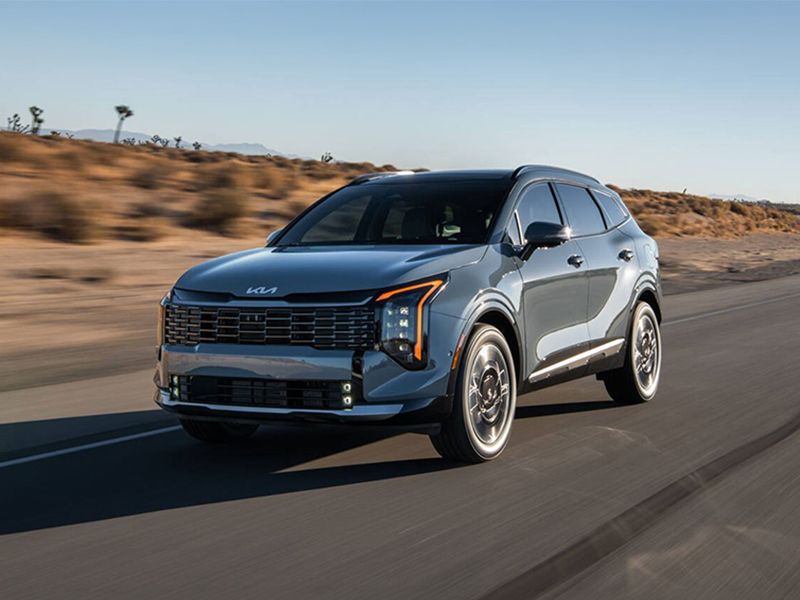
Understanding the Differences Between Hybrid, Plug-In Hybrid and Electric Powertrains
Electrification now plays a major role in the Canadian automotive industry. However, there are significant differences between hybrid, plug-in...
Read morePowered and developed by